


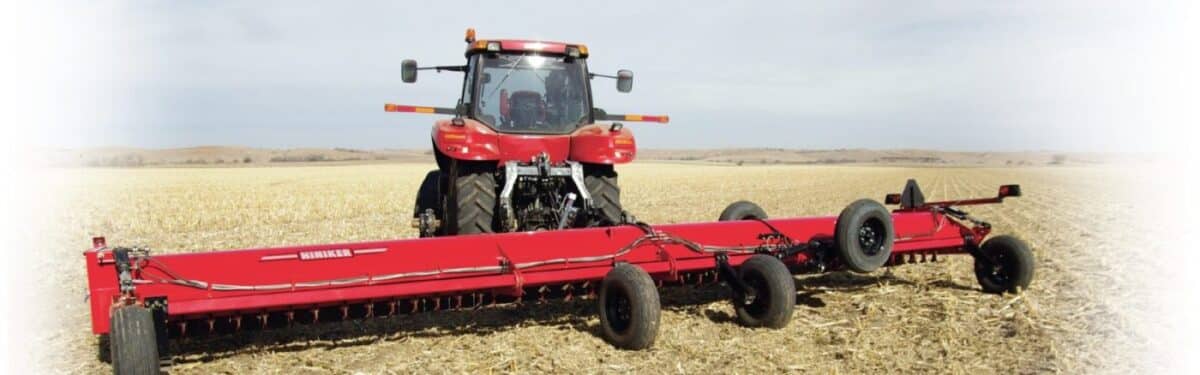
Windrowers matter when residue needs to be more than chopped and forgotten. Sometimes a grower wants stalks or crop material gathered for baling, bedding, removal, or a cleaner follow-up pass. That changes the job. The machine has to manage residue, form a usable windrow, and keep the field moving without creating a bigger mess behind it.
Start with what you want the windrow to do
A windrow is not useful just because material is in a line. It has to match the next step.
If the plan is baling, the windrow needs to feed well. If the goal is clearing residue from a strip, placement matters. If the grower is trying to manage heavy stalks after corn, density and consistency become important. A windrow that is too loose, too wet, too ropey, or too uneven can slow everything down later.
That means the equipment decision should begin with the final use. What will happen after the pass? Who will run the next machine? What shape and volume will make that next job easier?
Why Windrowers need to be judged in the field
A clean windrow depends on more than machine width. Crop condition, stalk moisture, ground speed, residue volume, and field terrain all affect the result.
A machine that works well in light residue may struggle after a high-yield corn crop. A setup that makes a good-looking windrow in dry conditions may behave differently when material is damp or tangled. Field testing and practical experience matter because the residue is the real judge.
This is where a grower should look at feeding, flow, and placement. Does the material move smoothly? Does the windrow stay consistent? Does the machine leave trash where it should not? Does it plug when the field gets heavy? Those answers matter more than a neat sales phrase.
Dealer advice can save a lot of guessing
A good windrower dealer should help a grower think beyond the purchase. The right conversation includes crop type, residue volume, desired windrow size, tractor match, service access, and what the operation will do after the material is gathered.
That support is especially important for farms adding windrowing to a residue plan for the first time. It is easy to underestimate how much crop material a field can produce, or how much a poor windrow can slow down the next step.
A dealer who has seen different field situations can help the grower avoid mismatches. That kind of advice may not show up on a spec sheet, but it can make a real difference in season.
Manufacturer experience shows up in small details
A windrower manufacturer has to design for conditions that are not gentle. Residue can be dry and abrasive one day, damp and stubborn the next. Fields can be smooth in one pass and rough in another.
The important details are often practical. Does the machine feed evenly? Can the operator adjust it without a long stop? Are wear parts accessible? Is the frame built for the load? Does the windrow land where it should?
Good design reduces the amount of babysitting the operator has to do. That matters when the day is long and the harvest schedule is already tight
Shredding and windrowing are not the same job
Some growers need a shredder windrower because they want to size material and place it in a row. Others may be thinking about a windrowing shredder because the residue needs both cutting action and controlled placement.
Those are related jobs, but they are not identical. Shredding focuses on sizing and spreading or preparing residue. Windrowing focuses on gathering and placing material in a usable row. Combining those jobs can be valuable, but only if the machine handles both parts well.
The field will tell the truth quickly. If the residue is chopped but the row is inconsistent, the next step suffers. If the windrow forms but the material is too long or tangled, the problem is still there.
Stalk residue needs a plan
Corn stalks are tough, especially after strong yields. A stalk windrower can make sense when the goal is to gather stalk material instead of leaving it spread across the field.
The key is matching the pass to the purpose. Stalks intended for baling may need different handling than residue being moved for field preparation. Moisture matters. So does timing after harvest.
The best plan is usually simple: make a windrow that the next machine can handle without a fight. That may not sound fancy, but it is the whole point.
The right windrowers should leave the field more organized than they found it. They should help residue move into the next use, not just push it into a line and hope for the best.
FAQs
What makes a good windrow?
It should be consistent, placed where the operator wants it, and shaped so the next machine can handle it smoothly.
Are windrowers the same as swathers?
Not exactly. The terms are sometimes compared, but the right tool depends on the crop, residue, and what the grower plans to do next.
When does a shredder windrower make sense?
When the grower needs both sizing and placement. If residue needs to be cut and gathered, combining those jobs can save a pass.
Tired of fighting your farm equipment? Let’s make it easier. Reach out to us online at Hiniker to fill out a form or call us at 507-625-6621.
.
.
We are here to assist you with all your farm equipment needs. We carry the latest equipment, whether it’s cultivators, cover crop seeders, rate controllers, shredders, windrowers, or a forage chopper.
Find your Hiniker Dealer today to find out more about our amazing agricultural equipment.
You can also follow us on Facebook for the latest news and updates.