



Flail shredders get a lot more interesting after a heavy crop leaves a field covered in tough residue. Corn stalks, stover, and uneven trash can slow down the next step if they are not handled well. The goal is not just to knock material down. It is to size it, spread it, and leave the field ready for the next pass.
Residue is not just something to clean up
That is why residue tools need to do controlled work after a harvest. Too little sizing leaves stalks standing or clumped. Too much aggression can create unnecessary wear, fuel use, or soil exposure.
A good residue pass should make the field easier to manage without treating every acre like it needs the same beating. Crop height, stalk condition, moisture, and yield all change what the machine has to handle.
 Why flail shredders are different from lighter tools
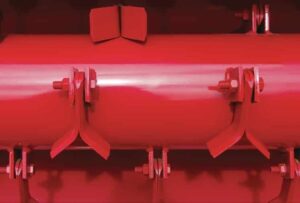
Heavy residue needs a tool built for impact, flow, and consistency. A flail system can size stalks and spread material in a way that helps the field break down more evenly.
The key word is consistency. One area should not be chopped fine while another is left in ropes and piles. Uneven residue becomes an uneven problem later. It can affect tillage, planting, emergence, and even soil temperature.
Good shredding also helps with decomposition. Smaller, more uniform pieces tend to settle and break down more predictably. That does not mean every field needs to be pulverized. It means the residue should be managed enough that it works with the next operation instead of fighting it.
Think about the crop that left the mess
Corn after a strong yield year can leave a lot of stalk material. Some hybrids stand tough. Some break down sooner. Weather can flatten areas or leave stalks leaning in every direction.
A stalk chopper may be part of the conversation when the main job is breaking down standing residue. A stalk cutter may appeal when the grower is focused on cutting stalks closer to the ground.
The right choice depends on what problem needs solving. Are stalks hard on tires? Are they slowing tillage? Are they leaving clumps? Are they interfering with fall work or spring planting? The answer should point the equipment decision.
Do not ignore windrowing needs
Residue management is not always about spreading everything flat. Some operations want material moved, gathered, or prepared for another use. That is where windrowers enter the discussion.
A field that needs shredding and windrowing asks for a different plan than a field that only needs stalks sized and spread. The operator has to think about crop residue, desired windrow shape, field traffic, and what happens after the pass.
Support from a windrower dealer can help here, especially if the grower is trying to match residue handling with baling, bedding, or removal plans. Residue is only useful if it ends up where it needs to be.
Build quality matters in rough conditions
Residue tools live a hard life. They run through stalks, dust, uneven ground, and long days when the operator is trying to finish before the weather changes.
That is why the machine needs to be built for the work. Bearings, knives, rotors, shielding, driveline components, and frame strength all matter. So does maintenance access. A machine that is miserable to service will eventually prove it.
A stalk shredder should not feel delicate. The whole point is to take on tough residue and leave the field in better shape. If the operator has to baby the machine through every tough patch, it may not be the right match.
Choose the pass that helps the next job
The best residue pass is the one that makes the next operation easier. That may be fall tillage. It may be spring planting. It may be baling or grazing or simply leaving the field protected through winter.
The right flail shredders should match the residue volume, the field conditions, and the farm’s next step. They should size material cleanly, spread it consistently, and stand up to the work without turning every day into a repair day.
That is the practical test. If the field is easier to manage after the pass, the machine is doing its job. If the residue is still uneven, clumped, or in the way, the problem has only been moved around.
FAQs
When should a grower shred stalks after harvest?
Usually when field conditions are dry enough to run clean and the residue needs to be sized before the next operation.
Are flail shredders only for corn residue?
No. Corn stalks are a common use, but the right setup can help with other tough residue jobs too.
What matters most in a residue tool?
Consistency. The machine should size and spread material evenly so the next pass is easier, not harder.
Tired of fighting your farm equipment? Let’s make it easier. Reach out to us online at Hiniker to fill out a form or call us at 507-625-6621.
.
.
We are here to assist you with all your farm equipment needs. We carry the latest equipment, whether it’s cultivators, cover crop seeders, rate controllers, shredders, windrowers, or a forage chopper.
Find your Hiniker Dealer today to find out more about our amazing agricultural equipment.
You can also follow us on Facebook for the latest news and updates.