


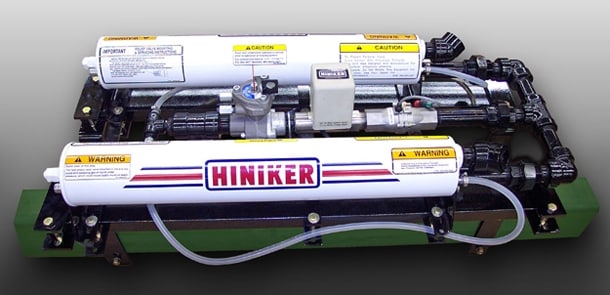
NH3 ammonia rate controllers help growers keep anhydrous application from turning into guesswork. That matters because NH3 work is not the place for vague confidence. Product cost, crop needs, safety, and timing all meet in one pass. If the system is not applying evenly, a grower may not see the full problem until the crop starts showing it.
What makes NH3 different
Anhydrous ammonia is efficient, but it asks for respect. It is not handled like a casual input. The equipment needs to be right, the operator needs to pay attention, and the monitoring system needs to tell the truth quickly.
That is why rate control and monitoring belong together. A controller may help manage the target rate, but the operator also needs to know whether product is moving where it should. If a knife is blocked or a line is restricted, the total rate may not tell the whole story.
A good system gives the operator more than one way to understand what is happening behind the toolbar.
Why NH3 ammonia rate controllers are part of a bigger setup
Rate control is not just about hitting a number on a screen. It is about making sure the field receives the planned amount as conditions change.
Ground speed changes. Temperature can affect behavior. Plumbing and delivery systems have their own quirks. The operator may slow for rough ground, speed up in a long straight pass, or adjust around obstacles.
A controller helps the system respond. But good NH3 application still depends on the rest of the setup. The tank, lines, knives, valves, and monitor all matter. If one part is not working properly, the controller may be doing its job while the field still gets an uneven result. That is why monitoring matters.
 Knife monitoring can save more than time
A blocked knife is one of those problems growers would rather catch right now than discover later. Streaks in the field are not just ugly. They can mean lost yield potential and wasted input planning.
Anhydrous ammonia knife monitors give the operator a better chance to catch knife problems during the pass. Instead of relying on hope, the monitor helps show whether the system is delivering properly across the toolbar.
The same value applies to NH3 ammonia knife monitors. When an issue shows up, the operator can stop, check it, and keep the problem from spreading across more acres.
That is practical information. It turns a hidden issue into a fixable one.
Lines deserve attention too
A line problem may not be dramatic at first. It may show up as uneven delivery, a restriction, or a pattern that the crop explains later. By then, the pass is done and the opportunity to correct it is gone.
An anhydrous line monitor gives the operator another layer of awareness. So does an NH3 line monitor. These tools are not about adding noise to the cab. They are about giving the operator useful signals while the problem is still small.
Farmers already have plenty to watch. The point of a monitor is not to make the cab busier. It is to make the important things harder to miss.
Good information changes operator behavior
When the system is clear, the operator can make better decisions. That may mean slowing down, stopping to check a line, changing a setting, or catching a pattern before it becomes a field-wide problem.
This is one place where automatic rate controllers can work well with monitoring equipment. The controller helps manage application rate. The monitors help confirm that delivery is happening properly across the machine.
Together, they give the operator a stronger picture. Not perfect. Farming never offers perfect. But stronger.
That confidence matters on long days. When application windows are tight, a grower needs to keep moving without ignoring warning signs. Clear information makes that possible.
The cost of not knowing can be high
Uneven NH3 application can be expensive in more than one way. There is the cost of the product. There is the effect on crop performance. There is the time lost if a problem forces a stop. There is also the frustration of finding out later that a field pass was not as clean as it seemed.
That is why growers should think about NH3 monitoring before there is a problem. The best time to invest in better visibility is not after a season of streaks or poor performance. It is before the pass depends on guesswork.
The right NH3 ammonia rate controllers should help the grower control the planned rate and stay aware of what is happening across the toolbar. That makes the work steadier, safer, and easier to trust.
FAQs
Can a rate controller catch every NH3 problem?
No. A controller helps manage rate, but line and knife monitors give more detail about delivery across the toolbar.
Why use NH3 ammonia rate controllers with monitors?
Because rate and delivery are connected but not identical. The controller helps with the target rate, while monitors help show whether product is reaching the right places.
When is monitoring most valuable?
During the pass. Catching a problem in the field is much better than finding out later from crop streaks or uneven performance.
Tired of fighting your farm equipment? Let’s make it easier. Reach out to us online at Hiniker to fill out a form or call us at 507-625-6621.
.
.
We are here to assist you with all your farm equipment needs. We carry the latest equipment, whether it’s cultivators, cover crop seeders, rate controllers, shredders, windrowers, or a forage chopper.
Find your Hiniker Dealer today to find out more about our amazing agricultural equipment.
You can also follow us on Facebook for the latest news and updates.