



.

.
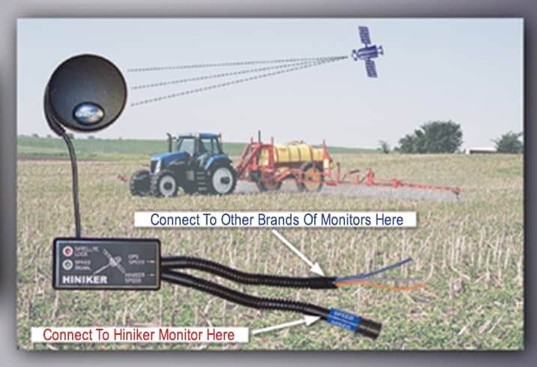
Anhydrous ammonia rate controllers help applicators stay closer to the target rate while field conditions change. That matters because anhydrous application is rarely a perfectly steady job. Ground speed shifts. Tank pressure changes. The toolbar moves through different parts of the field. The operator turns, slows, speeds up, and watches several things at once.
A good rate control system helps keep application more consistent through those changes. It does not replace calibration or judgment. It supports both.
Consistency is the main goal
The point of rate control is simple: apply the intended amount across the field. Too much product wastes money. Too little can leave crop needs unmet.
NH3 ammonia rate controllers are used for that same reason. They help manage product flow as speed and operating conditions change. When the system is set correctly, the operator should not have to manually chase every adjustment.
That consistency matters in real fields. Long straight passes, headlands, curves, and uneven ground can all change how the applicator moves. Rate control helps the application stay closer to the plan. A steadier pass is easier to trust.
Why anhydrous ammonia rate controllers still need calibration
Rate controllers are helpful, but they are not magic. If the system is not calibrated, it may apply the wrong rate very consistently. That is why preseason checks matter. Confirm settings. Inspect valves. Check sensors. Look over wiring and connections. Make sure the controller is matched to the applicator and the product setup.
An automatic rate controller manufacturer can provide guidance, but the operator still has to verify the system in real use. Manufacturer information is a starting point. Field checks finish the job. Good calibration turns technology into something dependable.
Monitoring helps catch problems early
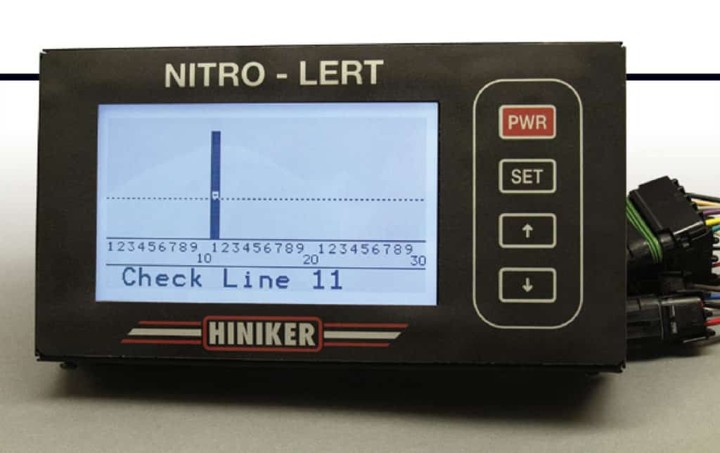
Rate control works best when the operator can see what is happening. Flow and line monitoring help provide that visibility. An anhydrous line monitor can help identify problems that may otherwise be easy to miss. A plugged or restricted line may not stop the whole system, but it can create uneven application.
Anhydrous ammonia knife monitors add another layer of awareness near the delivery point. That matters because the product has to reach the soil correctly, not just leave the tank. The earlier an issue is found, the less field has to be questioned later.
.
.
Automatic systems still need operator attention
Automatic rate controllers reduce the amount of manual adjustment needed, but they do not remove the operator from the job. The operator still needs to watch rates, alarms, pressure, tank behavior, field conditions, and anything that feels unusual. If the system struggles to hold rate, that is a sign to investigate. If readings jump around, do not ignore them.
Sometimes the issue is calibration. Sometimes it is plumbing. Sometimes it is a restriction, sensor, or tank condition. The controller helps point attention to the problem, but the operator still makes the call. Good application is still a hands-on job.
Maintenance makes the system more reliable
Anhydrous equipment works in demanding conditions. Pressure, cold product, dust, vibration, and seasonal use can all affect components. Before the season, inspect hoses, fittings, valves, sensors, wiring, and connectors. Look for wear. Look for corrosion. Make sure moving parts respond correctly.
A rate controller can only perform well if the rest of the system is ready. Poor maintenance can make even a good controller look unreliable. It also helps to keep notes. Calibration numbers, repairs, and past issues can save time when the system is brought out again next season.
Better control supports better decisions
When the controller and monitoring system are working well, the operator has better information. That makes decisions easier. If the rate is steady and flow looks good, the pass can continue with more confidence. If something changes, the operator can respond sooner. That is the practical value of the system.
A well-managed application is not just about technology. It is about using the information well.
A good system keeps the pass closer to the plan
Anhydrous ammonia rate controllers help make application more consistent, easier to monitor, and less dependent on constant manual adjustment. That is useful when timing is tight and product cost matters.
The best results still come from careful setup, regular maintenance, and an operator who pays attention. Technology helps most when the basics are handled well.
FAQs
Do rate controllers eliminate the need for manual checks?
No. They reduce manual adjustment, but calibration, inspection, and operator attention still matter.
Why does monitoring matter with anhydrous?
Monitoring helps catch restrictions, plugged lines, or uneven flow before too much of the field is affected.
Are anhydrous ammonia rate controllers useful in smaller fields?
Yes. Consistency matters in fields of all sizes, especially when product cost and crop nutrition are important.
Tired of fighting your farm equipment? Let’s make it easier. Reach out to us online at Hiniker to fill out a form or call us at 507-625-6621.
.

.
We are here to assist you with all your farm equipment needs. We carry the latest equipment, whether it’s cultivators, cover crop seeders, rate controllers, shredders, windrowers, or a forage chopper.
Find your Hiniker Dealer today to find out more about our amazing agricultural equipment.
You can also follow us on Facebook for the latest news and updates.