



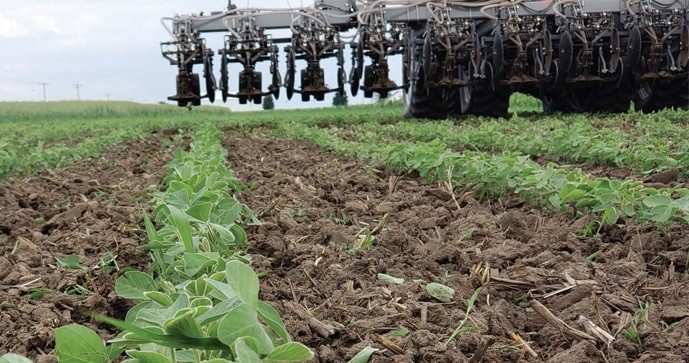
Row cultivators earn their keep when the crop is up, the weeds are moving, and the field is just dry enough to work. That is not a relaxed moment. It is usually the kind of week where every pass has to count. A good setup should help clean the middles, protect the stand, and give the operator enough control to stay confident when the field gets a little uneven.
Start with the crop, not the machine
A row-crop pass looks simple from the road. In the cab, it is more personal than that. You are watching the row, checking soil movement, listening for plugs, and hoping the adjustment you made at the end rows still makes sense halfway across the field.
That is why the crop should lead the decision. Corn and soybeans do not ask for the same setup at every stage. Young corn may need more protection around the plant. Soybeans may need a pass that cuts small weeds without burying low-growing plants. Soil moisture changes things too. A tool that behaves nicely in mellow ground can act different in heavy soil with a crust.
A row crop cultivator should fit the way the farm actually works, not just the way the field looked when the crop plan was written.
 Why Row Cultivators still have a place
Plenty of growers still use mechanical weed control because it solves problems that do not always wait for a spray window. Sometimes the wind is wrong. Sometimes the weather turns. Sometimes a field has escapes that need attention before they become seed-producing weeds. The value is not nostalgia. It is control.
When the pass is timed well, cultivation can disturb weeds while they are still small, loosen crusted soil, and help the crop get a cleaner start between the rows. It can also reduce pressure on herbicide programs in fields where resistance has become a regular headache.
The best passes usually do not look dramatic. They look clean. The crop is still standing. The middles are opened up. The soil is moved where it helps, not where it hurts.
Do not let adjustment time sneak up on you
Every grower knows there is a difference between a machine that can be adjusted and a machine that actually gets adjusted. If a change takes too long, requires too much guessing, or turns into a knuckle-busting project, it may not happen when it should.
That matters because conditions can change inside the same field. Residue may be heavier on one end. A wet spot may need a different touch. A tighter crop stage may call for more care near the row.
Good row-crop equipment should make practical adjustments feel normal. Shields, sweeps, depth settings, and row-unit spacing all need to make sense when the operator is tired and the weather window is closing. The easier it is to tune the tool, the more likely the pass will stay clean.
That is one reason growers pay attention to support from row cultivator dealers. A good dealer is not just selling iron. They are helping match the setup to the ground, the crop, and the operator.
Stability matters more than it gets credit for
A good cultivation pass depends on staying where you mean to be. That sounds obvious, but it is where a lot of frustration starts.
The frame needs to track well. The row units need to follow the ground. The operator needs visibility. If the machine feels loose, jumpy, or hard to read, the pass becomes tense. That usually means slower acres, more stops, and more second-guessing.
This is where the work of row cultivator manufacturers shows up in small ways. Toolbar strength, row-unit design, crop shields, gauge wheels, and residue clearance may not sound exciting on paper. In the field, they decide whether the operator can settle in and do good work.
A machine does not have to be complicated to be effective. In fact, the best one often feels straightforward because the design has already handled the hard parts.
Match speed to the field you have
Speed is useful. No one wants to crawl across acres when the crop is ready and the calendar is tight. But speed only helps if the pass stays accurate.
A row crop cultivator dealer can help sort out what is realistic for your fields. Some farms can run faster because their rows are consistent, residue is manageable, and the soil conditions are forgiving. Others need a steadier pace because the ground changes more often or the crop is at a more sensitive stage.
There is nothing wrong with wanting capacity. Just do not let speed become the whole decision. A fast pass that buries plants, misses weeds, or leaves rough ridges is not really fast. It just moves the problem down the calendar.
Choose for the tough day, not the easy one
Most machines look good in perfect conditions. The better question is what happens on the day that is almost right but not quite.
Maybe the field is a little wetter than you prefer. Maybe residue is heavier than expected. Maybe the crop is uneven. Maybe the operator has three fields left and rain in the forecast. That is when design, support, and adjustment start to matter.
A good corn cultivator should help the operator protect the stand while still getting real weed control done. The same practical thinking applies across row-crop systems.
The right row cultivators should make the pass feel steady. Not effortless. Farming rarely gives you that. But steady enough that you can trust the machine, watch the row, and know the field will look better when you leave than it did when you pulled in.
FAQs
When is the best time to cultivate row crops?
Usually when weeds are still small and the crop can handle the pass. Waiting too long makes the job harder and less forgiving.
Are row cultivators only for organic farms?
No. Organic farms may rely on them more, but conventional farms use them too. They can help with escapes, crusting, and weed pressure between spray windows.
What should matter most when choosing row-crop equipment?
Start with control. Row spacing, residue, adjustment time, toolbar stability, and dealer support all matter more than a single spec on a page.