


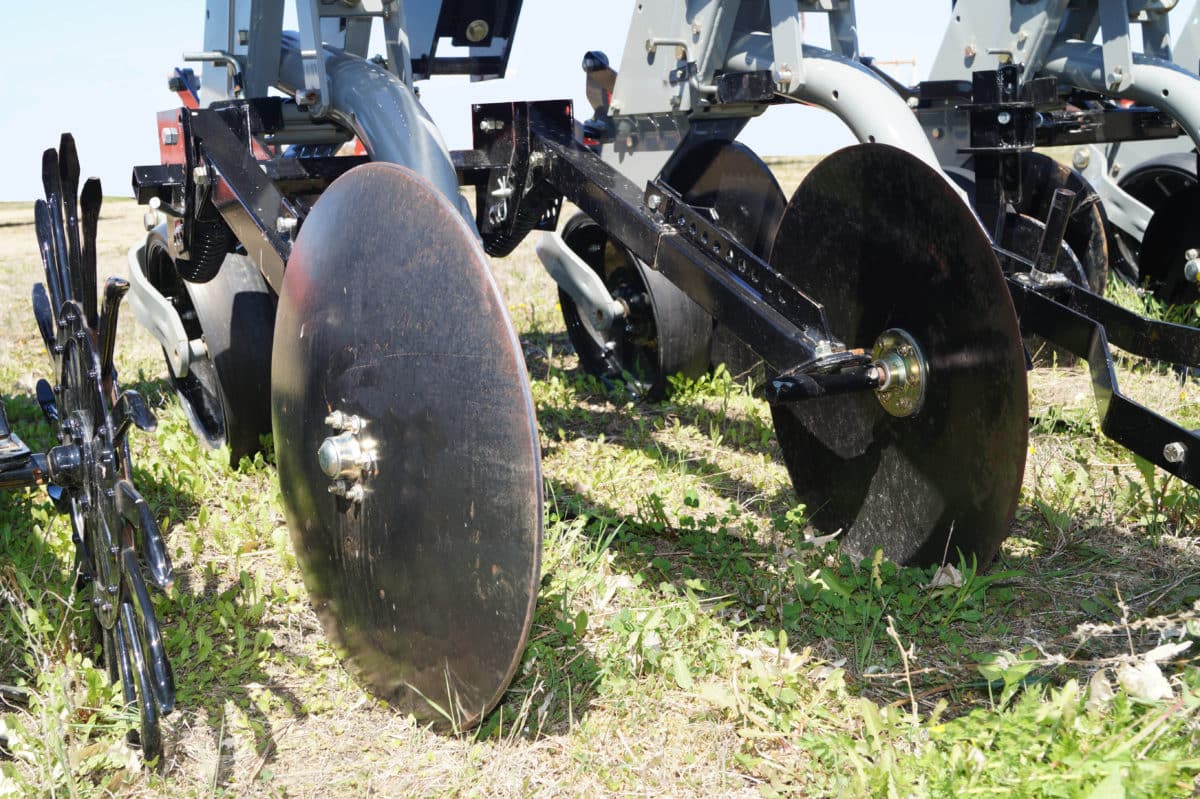
No-till cultivators have a harder job than the name makes it sound. The goal is not to stir the whole field just because weeds are present. The goal is to solve the problem between the rows while keeping the benefits of reduced disturbance. That takes a different mindset than a full-width tillage pass.
Less disturbance still needs real control
Reduced-tillage systems ask growers to be selective. You may want residue left on the surface. You may want moisture protected. You may want the soil structure to stay intact. At the same time, weeds do not pause politely because the system is built around soil health.
That is where careful cultivation fits. The tool needs to work where the problem is without turning the whole field upside down. It should disturb weeds, manage the row middle, and leave enough cover and structure behind to keep the system working. This is not a lazy pass. It is a more specific one.
What no-till cultivators need to do well
A good no-till or reduced-tillage cultivation pass starts with residue flow. If the machine cannot move through the field without dragging, bunching, or plugging, the rest of the conversation falls apart.
Depth control matters too. Working too shallow may miss the weeds. Working too deep may disturb more soil than the grower wants. The tool has to hold a steady depth while field conditions change under it.
Visibility is another big piece. The operator needs to see whether the pass is cutting, flowing, and leaving the row protected. Guessing is not a great strategy when the crop is young and the field has a lot of residue.
Match the setup to your field history
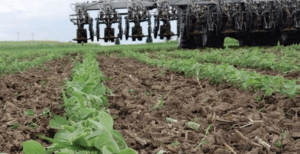
A field with long-term residue cover does not behave the same as a field that was tilled last fall. Soil texture, compaction, previous crop, and moisture all shape the pass.
This is where no-till cultivator manufacturers can help growers think through the equipment side of the system. The toolbar, row units, shields, and sweeps need to match the kind of work the field will allow.
Some fields need a light, careful touch. Others need enough action to break a surface crust or uproot weeds that got a little ahead. There is no single setting that fits every acre. The best equipment gives the operator room to adjust without turning every change into a project.
Ridge-till has its own rhythm
Reduced-tillage does not always mean flat planting. Some farms use ridges to manage moisture, improve traffic patterns, or help with warming and drying in the row.
That is where ridge-till cultivators come into the conversation. The row shape is part of the system, so the cultivation pass has to respect it. The goal may be to clean weeds, maintain the ridge, and keep soil movement predictable.
Growers working with ridge-till cultivator dealers should talk through more than machine size. Row shape, crop stage, and soil moisture matter. So does whether the operator needs to rebuild, maintain, or lightly touch the ridge during the pass.
Organic acres can share some of the same challenges
The goals may differ, but reduced-tillage and organic systems often overlap in one area: timing matters. Organic cultivators are often used when weeds are small because a late pass is harder to recover from. That same lesson applies in reduced-tillage fields.
If weeds are allowed to get too large, the machine may need to move more soil to do the job. That can work against the reason the farm chose a lower-disturbance system in the first place.
The cleaner plan is usually to be early, be precise, and avoid asking one pass to fix a problem that should have been handled sooner.
Dealer advice matters when residue gets complicated
Residue creates good things and hard things. It protects soil, holds moisture, and reduces erosion. It can also hide small weeds, wrap around parts, or make depth harder to read from the cab.
That is why support from no-till cultivator dealers can be useful. A dealer who understands residue conditions can help a grower choose options that fit the field instead of guessing from a general description.
That support becomes even more important when a grower is changing systems. Moving from more aggressive tillage to reduced disturbance is not just a machinery change. It changes how the soil behaves, how residue moves, and how the timing of each pass feels.
Choose for control, not just conservation
A reduced-tillage pass has to protect the system without letting weeds win. That is the balance.
The right no-till cultivators should help a grower make a clean pass without unnecessary soil movement. They should handle residue, hold depth, adjust without drama, and give the operator enough visibility to trust what is happening behind the tractor.
That kind of control is what makes the pass useful. The field stays covered where it should. The weeds get disturbed where they need to. The crop gets a better chance to keep moving.
FAQs
Can reduced-tillage fields still be cultivated?
Yes, if the equipment and timing fit the system. The goal is controlled disturbance, not a full-field reset.
Do no-till cultivators remove too much residue?
They should not when they are set up correctly. Residue flow and depth control are the big things to watch.
What is the biggest mistake in reduced-tillage cultivation?
Waiting too long. Bigger weeds often require more aggressive action, which can work against the soil-protection goals of the system.
Tired of fighting your farm equipment? Let’s make it easier. Reach out to us online at Hiniker to fill out a form or call us at 507-625-6621.
.

.
We are here to assist you with all your farm equipment needs. We carry the latest equipment, whether it’s cultivators, cover crop seeders, rate controllers, shredders, windrowers, or a forage chopper.
Find your Hiniker Dealer today to find out more about our amazing agricultural equipment.
You can also follow us on Facebook for the latest news and updates.