



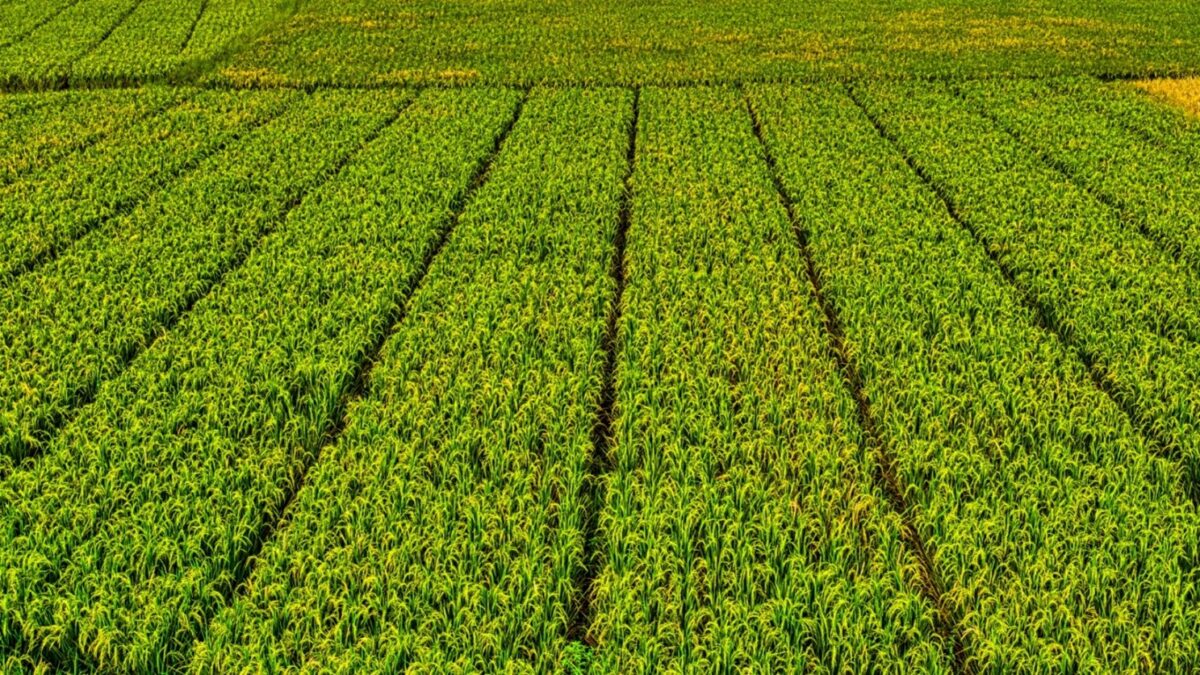
Cultivation does not rely on a single machine. It relies on a category of equipment designed to do very specific work at very specific moments in the growing season.
That distinction matters because cultivation is often misunderstood. It is not about preparing ground for planting. It is about managing conditions after crops are already established.
The machines used for that job look similar at a glance, but they behave very differently in the field. Understanding those differences helps explain why modern cultivation uses multiple tools instead of one universal solution.
At the center of this category is the cultivator. But it is far from the only piece of equipment involved.
Cultivators are built for precision between rows
The most recognizable cultivation equipment is the row cultivator.
These machines are designed to work between planted rows without contacting crops. That means spacing, depth, and tracking all matter.
A row crop cultivator typically operates shallow. It disrupts weed growth while leaving crop roots intact. These machines depend on consistent planting and accurate guidance.
They are most common in corn and soybean production, where row spacing is predictable and crops can tolerate passes once they are established.
Row cultivators do not reset fields. They maintain them.
No-till cultivators manage weeds without disturbance
No-till systems prioritize soil structure and residue retention. Cultivation in these systems looks different.
A no-till cultivator is designed to control weeds without aggressive soil movement. Tools work shallow and avoid burying residue.
These machines support erosion control and moisture retention. They are often used selectively rather than across entire fields.
In no-till systems, cultivation is a targeted intervention rather than a routine pass.
Ridge-till cultivators preserve field structure
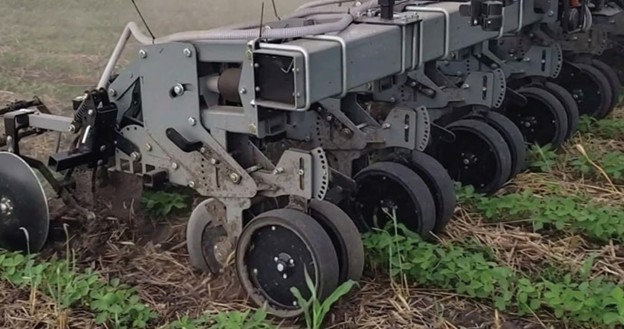
Ridge-till systems form raised rows during planting. Cultivation in these systems focuses on maintaining those ridges.
A ridge-till cultivator manages weeds while keeping soil in place. Instead of flattening the field, it reinforces structure created earlier in the season.
These cultivator machines are built to follow established ridges accurately. Misalignment can damage crops or disrupt field shape.
Ridge-till cultivation requires equipment that tracks consistently and holds depth precisely.
.
 .
.
High-speed cultivators support large operations
Scale changes how cultivation is approached.
Large operations often have narrow windows to complete fieldwork. That demand leads to equipment designed for efficiency.
A high speed cultivator is built to cover acres quickly while maintaining consistent performance. Strong frames and stable toolbars prevent bouncing or drift at higher speeds.
Speed alone is not the goal. Predictable results at speed are.
These machines are common where timing matters as much as precision.
Organic cultivators replace chemical control
Organic systems remove chemical weed control from the equation. Cultivation becomes essential.
An organic cultivator is often more adjustable than conventional designs. Depth, spacing, and tool selection may change throughout the season.
These machines are designed for multiple passes and close control. Operators rely on observation and timing rather than chemical response.
Organic cultivation demands attention and flexibility. Equipment supports that process but does not automate it.
Supporting machinery plays a role too
Cultivation does not operate in isolation.
Planting equipment determines row spacing and consistency. Guidance systems affect tracking accuracy. Residue management influences how cultivators perform.
While cultivators do the visible work, they rely on upstream decisions and equipment to function properly.
Poor planting accuracy makes cultivation harder. Uneven residue complicates depth control.
Understanding cultivation equipment means understanding how it fits into the broader system.
What cultivation equipment does not include
Not all soil-working equipment qualifies as cultivation machinery.
Primary tillage tools like plows and disks operate before planting. They reset fields. Cultivators do not.
Residue management tools may operate after harvest. They prepare fields for planting. Cultivators work after crops are established.
Mixing these categories leads to unrealistic expectations.
Cultivation equipment is designed for maintenance, not preparation.
Choosing the right cultivation tools
Selecting cultivation equipment starts with understanding the farming system.
Row spacing. Soil type. Residue levels. Crop sensitivity. Timing.
There is no universal answer. That is why multiple cultivator designs exist.
The best results come from matching equipment to conditions instead of forcing a tool to do a job it was not built for.
Why cultivation machinery still matters
Despite advances in technology, physical conditions in the field still require management.
Weeds still compete with crops. Soil surfaces still crust. Residue still affects emergence.
Cultivation machinery addresses these issues mechanically. It complements chemical and biological approaches rather than replacing them.
That balance keeps cultivation equipment relevant across many farming systems.
FAQs
What machines are used for cultivation?
Row cultivators, no-till cultivators, ridge-till cultivators, high-speed cultivators, and organic cultivators.
Are cultivators used before planting?
No. They are used after crops are established.
Can cultivation equipment be used in no-till systems?
Yes. Specialized designs exist for that purpose.
Do organic farms rely more on cultivators?
Yes. Mechanical weed control is essential in organic systems.
Is cultivation equipment still important today?
Yes. It remains a practical tool for managing weeds and soil conditions.
Tired of Fighting Your Farm Equipment? Let’s Make It Easier.

Reach out to us online at Hiniker to fill out a form or call us at 507-625-6621
We are here to assist you with all your farm equipment needs. We carry the latest equipment, whether it’s cultivators, cover crop seeders, rate controllers, shredders, windrowers, or a forage chopper.
Find your Hiniker Dealer today to find out more about our amazing agricultural equipment.
You can also follow us on Facebook for the latest news and updates.