



.
.
Flail mower manufacturers are worth comparing carefully because a mower’s design shows up quickly in the field. Heavy residue, stalks, rough ground, and long seasonal days all test the machine. A mower that looks fine on paper still has to cut cleanly, hold together, service easily, and leave residue in a condition that helps the next operation.
The best choice is not always the widest machine or the one with the most impressive spec list. It is the one built for the work you actually need done.
Start with the job, not the model
Before comparing brands, define the work. Are you sizing corn stalks? Cleaning field edges? Managing cover crop growth? Preparing residue ahead of tillage or planting?
That answer should shape everything else. Shredders & windrowers can handle different material-management jobs, but not every machine is intended for the same use.
If residue needs to be chopped and spread, cut quality matters. If material needs to be placed or gathered, windrowing capability may matter. If the work is heavy and frequent, durability becomes a bigger part of the decision.
A good manufacturer should make intended use clear.
Why flail mower manufacturers should explain residue handling
Residue flow is one of the biggest differences between a good pass and a frustrating one. Stalks, stems, and crop material need to move through the mower without leaving strips, clumps, or uneven sizing.
Ask how the machine handles heavy residue. Ask what material it is designed for. Ask what tractor power is recommended in real working conditions, not just ideal ones.
If you are comparing a windrower manufacturer with a mower manufacturer, be clear about whether you need cutting, placement, or both. Those are related jobs, but they are not identical.
The answer should fit your field plan.
Windrowing needs consistency
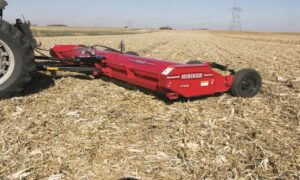
A flail windrower manufacturer should be able to explain how cut material is handled after it passes through the machine. Windrowing is not simply pushing residue somewhere. It is placing material in a way that supports the next step.
That may matter for forage, stalk management, or cleanup systems where residue placement affects handling. A rough, uneven windrow can create problems later.
Ask what kind of material the machine windrows best. Ask how moisture changes the job. Ask what adjustments are available when residue gets heavy.
Good windrowing is controlled. It should not feel random.
.
.
Dealer support should be part of the decision
Manufacturers build the equipment. Dealers help keep it useful.
A knowledgeable flail windrower dealer can help with setup, maintenance, parts, and local field questions. That support matters when the machine is working in a narrow seasonal window.
Ask what parts are stocked. Ask about common wear items. Ask how quickly service questions are handled. A dealer who understands the machine can save time when something feels off.
This is especially helpful if the mower or windrower is new to your operation. The first season usually teaches you where small adjustments matter.
Maintenance access is a design feature
Maintenance is not separate from machine design. It is part of it.
Flail windrowers and heavy-use mowers work in dust, residue, vibration, and rough field conditions. Knives, belts, bearings, shields, and other components need regular inspection.
If access is awkward, inspections may be skipped. If parts are difficult to replace, downtime grows. If daily checks are simple, the machine is more likely to stay in good shape.
A manufacturer that thinks about service access is thinking about ownership after the sale.
Match capacity to the tractor and acres
A mower that is too small may slow the operation down. A mower that is too large for the tractor may be frustrating and hard on equipment.
Capacity has to fit both acreage and power. Heavy residue takes more from the tractor than light material. Rough ground may slow travel speed. Damp stalks may require more patience.
Ask for realistic recommendations. Not best-case numbers. Real ones. The kind that account for tough fields and long days.
That kind of guidance is more useful than a glossy answer.
The best manufacturer makes ownership easier
A good machine should feel dependable. It should cut consistently, handle residue cleanly, and be serviceable without turning routine checks into a project.
That is why comparing flail mower manufacturers is worth the time. The differences may not all be obvious at first glance, but they show up in cut quality, maintenance, durability, and support.
When the machine fits the work, field cleanup feels less like a battle. That is the point.
FAQs
What should I ask a flail mower manufacturer?
Ask about intended use, residue capacity, tractor requirements, maintenance access, wear parts, and cut quality in heavy material.
Is windrowing the same as shredding?
No. Shredding cuts and sizes material. Windrowing places or gathers material for another purpose.
Why do flail mower manufacturers matter after the sale?
Their design choices affect service access, parts wear, durability, and how consistently the mower performs over time.
Tired of Fighting Your Farm Equipment? Let’s Make It Easier.
Reach out to us online at Hiniker to fill out a form or call us at 507-625-6621
We are here to assist you with all your farm equipment needs. We carry the latest equipment, whether it’s cultivators, cover crop seeders, rate controllers, shredders, windrowers, or a forage chopper.
Find your Hiniker Dealer today to find out more about our amazing agricultural equipment.
You can also follow us on Facebook for the latest news and updates.